

Posted on 10th Jun 2024
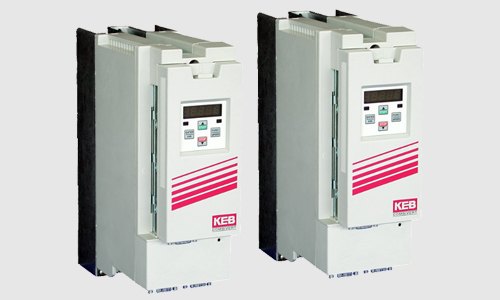
In the realm of industrial processes, efficiency is paramount. Every operation aims for smoother workflows, reduced energy consumption, and optimized productivity. One of the key players in achieving these goals is the Lenze Drive, a technology that regulates the speed of motors by varying the frequency and voltage supplied to them. And when it comes to boosting system performance, Low Voltage VFDs emerge as indispensable tools, offering a plethora of benefits that contribute to enhanced efficiency and cost savings.
Low Voltage VFDs are specialized devices designed to operate at reduced voltage levels, typically below 600 volts. Unlike traditional fixed-speed motors, which run at a constant speed regardless of the application's requirements, Keb Drive allow for precise control over motor speed, enabling operations to match the exact demands of the process. By adjusting the frequency and voltage supplied to the motor, Low Voltage VFDs ensure that energy is used only as needed, minimizing wastage and maximizing efficiency.
Energy Savings: One of the most significant advantages of Low Voltage VFDs is their ability to reduce energy consumption. By modulating motor speed based on the current load, these drives prevent motors from running at full capacity when it's unnecessary, resulting in substantial energy savings. This not only lowers operating costs but also contributes to sustainability efforts by reducing carbon emissions.
Improved Process Control: Precise speed control offered by Low Voltage VFDs translates to enhanced process control. Whether it's maintaining a consistent flow rate in a pumping system or adjusting conveyor speeds in manufacturing, these drives ensure that operations run smoothly and efficiently, with minimal fluctuations or disruptions.
Extended Equipment Lifespan: Traditional fixed-speed motors often endure unnecessary wear and tear due to constant operation at full speed. In contrast, Low Voltage VFDs help mitigate this issue by allowing motors to start softly and ramp up to the required speed gradually. This gentle acceleration reduces mechanical stress on the equipment, prolonging its lifespan and minimizing the need for frequent maintenance and repairs.
Flexibility and Adaptability: Industrial processes are dynamic, with varying demands depending on factors such as production volume, material properties, and environmental conditions. Low Voltage VFDs offer unparalleled flexibility, allowing operators to adapt motor speed and torque to suit changing requirements swiftly. This adaptability enhances overall system performance and responsiveness, ensuring optimal efficiency across diverse operating conditions.
Power Factor Correction: Low Voltage VFDs can also contribute to power factor correction, improving the overall efficiency of the electrical system. By adjusting the phase relationship between voltage and current, these drives help reduce reactive power demand, thereby optimizing energy utilization and reducing utility costs.
The versatility and effectiveness of Low Voltage VFDs make them invaluable across a wide range of industries and applications. From HVAC systems and water treatment plants to manufacturing facilities and mining operations, these drives find use wherever motor-driven equipment is employed. Whether it's controlling fan speeds for ventilation, regulating pump flows for irrigation, or managing conveyor belts in logistics, Low Voltage VFDs play a pivotal role in enhancing system performance and driving operational excellence.
In an era where efficiency and sustainability are paramount concerns, the adoption of Low Voltage VFDs available on CM Industry Supply Automation represents a significant step towards optimizing industrial processes. By providing precise control over motor speed, reducing energy consumption, and enhancing equipment reliability, these drives offer a compelling solution for improving system performance across diverse applications. As industries continue to prioritize efficiency and environmental stewardship, Low Voltage VFDs are poised to play an increasingly vital role in driving progress towards a more sustainable future.