
Posted on 24th Oct 2026
Steel manufacturing facilities depend on high-capacity electrical systems to support demanding production processes, including melting, rolling, casting, material handling, and cooling. These processes involve heavy electrical loads and power-electronic equipment that can create challenges such as harmonic distortion, voltage fluctuations, poor power factor, and electrical disturbances. Implementing suitable Power Quality for Steel Plant solutions helps industries improve electrical-system performance, protect sensitive equipment, and maintain reliable production operations.
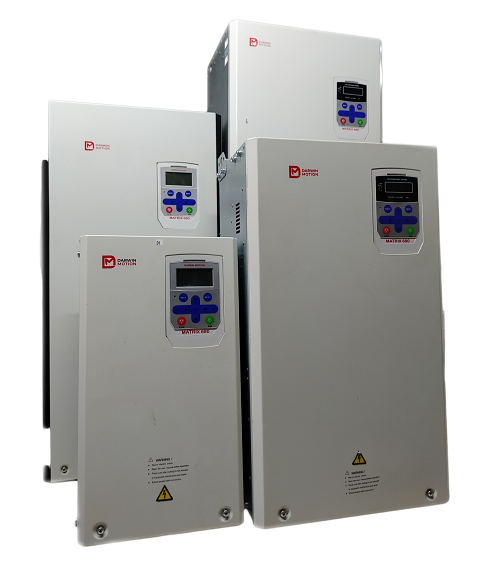
As a Darwin Motion AC Drive manufacturer, Darwin Motion focuses on industrial drive technology and motor-control applications that support efficient and controlled machinery operation. By combining appropriate AC drives with engineered power-quality equipment, steel manufacturers can develop electrical systems that better accommodate changing production loads and demanding operating conditions.
Steel plants frequently operate electric arc furnaces, induction furnaces, rolling mills, compressors, pumps, cooling towers, and conveyor systems. Several of these applications use nonlinear electrical loads or experience rapid load changes, which can affect voltage stability and the quality of electrical waveforms throughout the plant.
Poor power quality may contribute to unexpected equipment trips, increased electrical losses, overheating, control-system disturbances, and interruptions in production. The extent of these effects depends on the electrical network, equipment configuration, and severity of the disturbance.
Improving power quality requires identifying the source of each disturbance and selecting equipment according to the plant's electrical characteristics. A combination of motor-control technology, harmonic mitigation, reactive power compensation, and appropriate protection can help address different power-quality requirements.
Variable frequency drives (VFDs) regulate motor speed by adjusting the frequency and voltage supplied to the motor. In steel plants, they are useful for applications where motor speed must change according to production requirements.
Solutions from a Darwin Motion AC Drive manufacturer can be explored for suitable industrial motor-control applications. Correctly selected AC drives can support controlled acceleration, adjustable operating speeds, and improved process management.
It is important to note that conventional VFDs can themselves generate input-side harmonics. Appropriate drive selection, line reactors, harmonic filters, or other mitigation methods may be necessary to maintain acceptable power quality.
Harmonic distortion is a major consideration in steel plants containing electric arc furnaces, induction furnaces, rectifiers, and multiple variable frequency drives. Harmonics distort electrical waveforms and may increase equipment heating, interfere with sensitive control systems, and create problems for capacitor banks.
Active harmonic filters, passive harmonic filters, and harmonic-mitigating drive configurations can help reduce harmonic distortion when appropriately selected for the application.
The appropriate filtering solution should be determined through harmonic measurements and an engineering study of the plant's electrical network. Filter capacity and configuration should not be selected solely on the basis of total connected load.
Steel manufacturing processes may require substantial reactive power, particularly where large motors, furnaces, and other inductive loads are involved. Low power factor can increase current demand and reduce the available capacity of transformers and distribution equipment.
Depending on the installation, capacitor banks, detuned filter banks, static VAR compensators (SVCs), or static synchronous compensators (STATCOMs) may be considered to manage reactive power and support voltage stability.
Reactive compensation equipment must be designed with the existing harmonic conditions in mind. An unsuitable capacitor-bank arrangement can interact with system harmonics and create resonance problems.
Voltage dips and rapid voltage changes can disrupt rolling mills, drive systems, programmable logic controllers, and other sensitive equipment. The appropriate response depends on the disturbance's magnitude, duration, source, and location within the electrical network.
Possible measures include improving the incoming supply arrangement, correcting internal electrical faults, implementing dynamic reactive power compensation, and using suitable ride-through or power-conditioning solutions for critical loads.
Industrial motor-control requirements vary according to machinery type, operating duty, production speed, and electrical supply conditions. Selecting the right drive requires a detailed understanding of these factors rather than relying on motor power ratings alone.
Darwin Motion AC Drive manufacturer is a relevant resource for exploring VFD technology and industrial drive applications. Integrating suitable drives into a broader power-quality strategy can help steel plants manage motor operation while addressing the electrical characteristics of their production equipment.
A structured power-quality management plan helps identify recurring disturbances and supports informed investment in corrective equipment. Regular monitoring is particularly valuable in plants where production schedules and electrical loading change throughout the day.
Power quality plays an important role in maintaining production continuity, protecting electrical assets, and supporting efficient steel manufacturing. Harmonic mitigation, reactive power compensation, voltage-disturbance management, and suitable motor-control strategies can help address the electrical challenges associated with demanding industrial processes.
By exploring appropriate Power Quality for Steel Plant solutions and industrial AC drive technology, manufacturers can work toward more reliable electrical operations. Darwin Motion AC Drive manufacturer provides a starting point for evaluating drive-based motor-control requirements as part of a broader power-quality improvement strategy.
Are you looking to improve motor control, optimize auxiliary equipment, or address power-quality challenges in your steel manufacturing facility? Explore the industrial drive solutions available from Darwin Motion and identify the technologies that best suit your application.