

Posted on 23rd Oct 2026
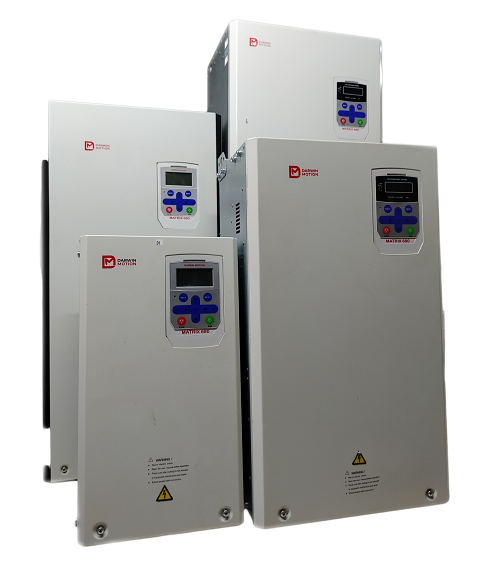
Heating, ventilation, and air conditioning (HVAC) systems are essential components of commercial buildings, hospitals, shopping centres, data centres, and industrial facilities. These installations often operate multiple motors, chillers, air handling units, cooling towers, and variable-speed fans simultaneously. Managing the electrical performance of such equipment is important for maintaining reliable operation. Implementing SVG for HVAC Systems can help address reactive power fluctuations and support improved power quality when the technology is correctly selected and installed. Darwin Motion, an AC drive manufacturer, serves the broader industrial motor control market, making its technology relevant to HVAC installations that require coordinated electrical performance.
A Static Var Generator (SVG) is a power electronics-based device designed to provide dynamic reactive power compensation. It monitors electrical conditions and adjusts its reactive power output to help maintain the desired power factor and support voltage stability within the limits of the electrical installation.
In HVAC environments, the operation of motors, compressors, pumps, and other inductive loads can create reactive power demand. When this demand changes frequently, conventional fixed compensation equipment may not respond as flexibly as a dynamic solution. An SVG can provide a more responsive approach to managing these changing electrical requirements.
HVAC equipment rarely operates at a constant load throughout the day. Cooling requirements, occupancy levels, outdoor temperatures, and building automation commands can all affect the operating conditions of the electrical system.
Power quality is an important consideration in HVAC installations because modern buildings depend on interconnected electrical and automation systems. Reactive power compensation can help improve power factor and support voltage regulation under suitable conditions.
An SVG measures the electrical system and supplies or absorbs reactive power as required. This dynamic response helps manage variations in reactive power demand from compatible HVAC equipment.
Poor power factor can increase current requirements for a given level of useful power. By compensating for reactive power, an appropriately sized SVG can help improve the overall power factor at the point where it is connected.
Reactive power management can contribute to voltage stability in electrical systems subject to fluctuating loads. The actual benefit depends on system impedance, equipment sizing, and the characteristics of the connected network.
Unlike fixed capacitor banks, SVG technology can adjust compensation electronically in response to changing conditions. This can be useful in HVAC facilities where equipment operates under varying loads throughout the day.
Darwin Motion is an AC drive manufacturer offering variable frequency drive technology for industrial motor control applications. AC drives and Static Var Generators perform different functions, but both can play important roles in an HVAC electrical installation.
While an AC drive regulates motor speed and operation, an SVG focuses on dynamic reactive power compensation. Evaluating these technologies together can help facility engineers develop an electrical system that addresses motor control and power quality requirements.
AC drives allow compatible motors to operate at speeds appropriate for airflow, water circulation, and cooling demand. This can improve process control and may reduce energy consumption in applications where the load varies with speed.
HVAC systems that use multiple drives and other power electronic equipment should be assessed as a complete electrical installation. Engineers can evaluate reactive power demand, harmonics, loading patterns, and protection requirements to determine whether an SVG is appropriate.
Combining appropriate motor control strategies with suitable power quality equipment can help facilities respond to changing operating requirements. The final configuration should be based on electrical measurements and the characteristics of the connected equipment.
Static Var Generators may be considered in HVAC installations with significant or fluctuating reactive power demand. A detailed site assessment is recommended before selecting a compensation solution.
Large office buildings often operate chillers, pumps, ventilation fans, and air handling units across several floors. Dynamic compensation may help manage changing reactive power demand associated with these systems.
Healthcare facilities require dependable HVAC operation to maintain indoor environmental conditions. Power quality planning can form part of a wider electrical reliability strategy for these buildings.
Data centres use cooling infrastructure to manage heat generated by IT equipment. Chillers, pumps, and cooling fans can contribute to the facility's electrical load, making power factor and power quality assessment important parts of infrastructure planning.
Manufacturing facilities may combine process cooling, ventilation, compressed air, and production machinery on shared electrical networks. SVG technology may be evaluated where reactive power variations affect the overall electrical system.
The choice between an SVG and a conventional capacitor bank depends on the required response time, variation in reactive power demand, harmonic conditions, project budget, and installation requirements.
Capacitor banks can remain a practical option for many installations. However, rapidly changing loads or demanding power quality requirements may justify evaluating an SVG or a hybrid compensation arrangement.
Selecting the appropriate SVG requires an understanding of the facility's electrical operating conditions. Oversizing or undersizing compensation equipment can affect performance and project economics.
When supported by a suitable electrical assessment, SVG technology can provide several operational advantages for facilities with changing reactive power requirements.
Actual results depend on the system configuration, SVG rating, installation point, load characteristics, and the quality of commissioning. Power factor correction alone does not guarantee lower total electricity consumption or reduced utility charges; savings depend on the applicable tariff and operating conditions.
Darwin Motion provides AC drive solutions for industrial motor control applications. For HVAC projects that require variable-speed operation, its product range can be reviewed alongside the requirements for reactive power compensation and other electrical system improvements.
Facility owners, consultants, and system integrators should review the product specifications, motor compatibility, operating conditions, and technical support requirements before finalizing an AC drive selection.
To learn more about static var generator technology, visit the following page: Darwin Motion Static Var Generator Solutions .
Efficient HVAC infrastructure requires more than reliable cooling and ventilation equipment. Electrical power quality, reactive power management, and appropriate motor control all contribute to the performance of modern building systems.
SVG technology offers a dynamic approach to reactive power compensation for HVAC installations with changing electrical loads. When combined with a properly engineered motor control strategy, including suitable AC drives from manufacturers such as Darwin Motion, it can form part of a comprehensive electrical optimization plan. A professional site assessment is the best starting point for identifying the right solution for each facility.